
Home/Diabetes & pre-diabetes
Diabetes & pre-diabetes
Pre-diabetes is reversible. Diabetes is manageable. Both need more than avoid sweets.
Nobody develops diabetes from one dessert. It builds over years of insulin resistance, and that is exactly where food does its best work.
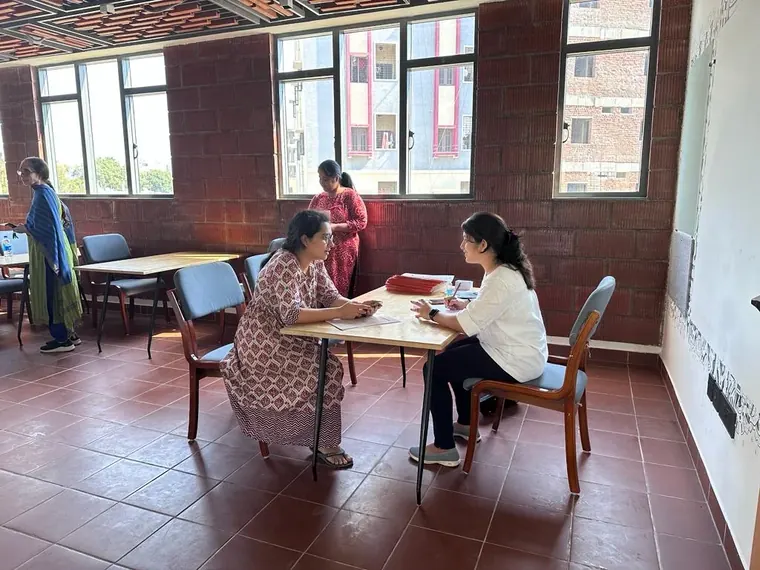
Does this sound like you?
Tick whichever ones you recognise.
- Your HbA1c came back between 5.7 and 6.4 and nobody explained what that means
- You were diagnosed and handed a printed sheet of foods to avoid
- Sugar readings that swing wildly for no reason you can identify
- Exhausted about an hour after lunch, every single day
- Increasing medication over time while nothing else changes
- You've been told to stop eating rice, in a house where everyone eats rice
- Family history of diabetes and you'd rather not repeat it
What's actually going on
The spike matters more than the total.
Two people can eat the same amount of rice and have completely different blood sugar responses. What separates them is what else was on the plate, what order it was eaten in, and what happened in the twenty minutes afterwards.
Carbohydrate eaten alone hits your bloodstream fast. The same carbohydrate eaten after vegetables and alongside protein and fat arrives slowly, and the difference in the resulting spike is substantial. That is a change of sequence, not a change of menu.
For pre-diabetes this matters enormously, because you're still inside the window where insulin sensitivity can genuinely be restored. Once it becomes type 2, food shifts from reversal to control, and good control still means fewer complications and often a lower medication requirement over time.
The approach
What we'd actually do.
We establish where you actually are
HbA1c, fasting glucose, and where possible fasting insulin. Pre-diabetes and established diabetes are different conversations and get different plans.
We change sequence and pairing before we change food
Vegetables first, protein second, carbohydrate last. It sounds trivial. It measurably flattens the post-meal curve, and it costs you nothing.
We keep your staples in the plan
Rice and roti stay. Portion, pairing and timing carry the load. A plan your family can't eat is a plan you'll abandon by week three.
We build the post-meal walk in
Around fifteen minutes of walking after eating meaningfully lowers the post-meal rise. It's the cheapest intervention available and most people are never told about it.
The order that flattens the spike
- Half the plate, vegetables. Sabzi, salad, whatever is cooked that day. Eat this first.
- A quarter, protein. Dal, curd, paneer, egg, chicken or fish. Eat this second.
- A quarter, carbohydrate. Rice or roti. Still there. Just last.
Same food, same kitchen, different order. This alone measurably lowers the post-meal glucose rise, which is where most of the damage happens.
What to expect
What changes, and when.
Rough guide, not a promise. Bodies differ, and anyone giving you exact dates is guessing.
Relevant training
Certified Diabetes Educator, CC in Diabetes Education through NDEP. This is a formal diabetes education qualification, not a general nutrition certificate.
Questions
What people ask me about this.
Can pre-diabetes actually be reversed?
In a great many people, yes, especially when it's caught early and acted on. Once it becomes established type 2 the goal shifts to control, which still means fewer complications and often less medication.
Do I have to give up rice?
No. In South India that advice is both impractical and unnecessary. We adjust the portion, what it's paired with, and when in the meal it's eaten.
Will this let me stop my medication?
That is entirely your doctor's decision and I won't advise on it. What I can say is that better numbers give your doctor the option to reconsider, and that happens reasonably often.
I'm not overweight. How do I have high sugar?
Lean type 2 is common in South Asians. We tend to store fat around the organs rather than under the skin, so BMI misses it. Waist measurement and fasting insulin are far more revealing.
Do I need a continuous glucose monitor?
Useful, not essential. If you already have one we'll use the data. If you don't, a glucometer and a few well-timed readings tell us most of what we need.
Let's work out what's going on.
Bring your reports. One consultation and a straight answer on what will and won't work.
Also treated
Other conditions.
PCOS & PCOD
Insulin resistance, irregular cycles, acne, facial hair and the weight gain that comes with them.
Read more →Thyroid
Hypothyroidism, Hashimoto's and the stubborn weight, fatigue and hair fall that follow.
Read more →Gut health, IBS & IBD
Daily bloating, acidity, food intolerance, Crohn's and ulcerative colitis.
Read more →